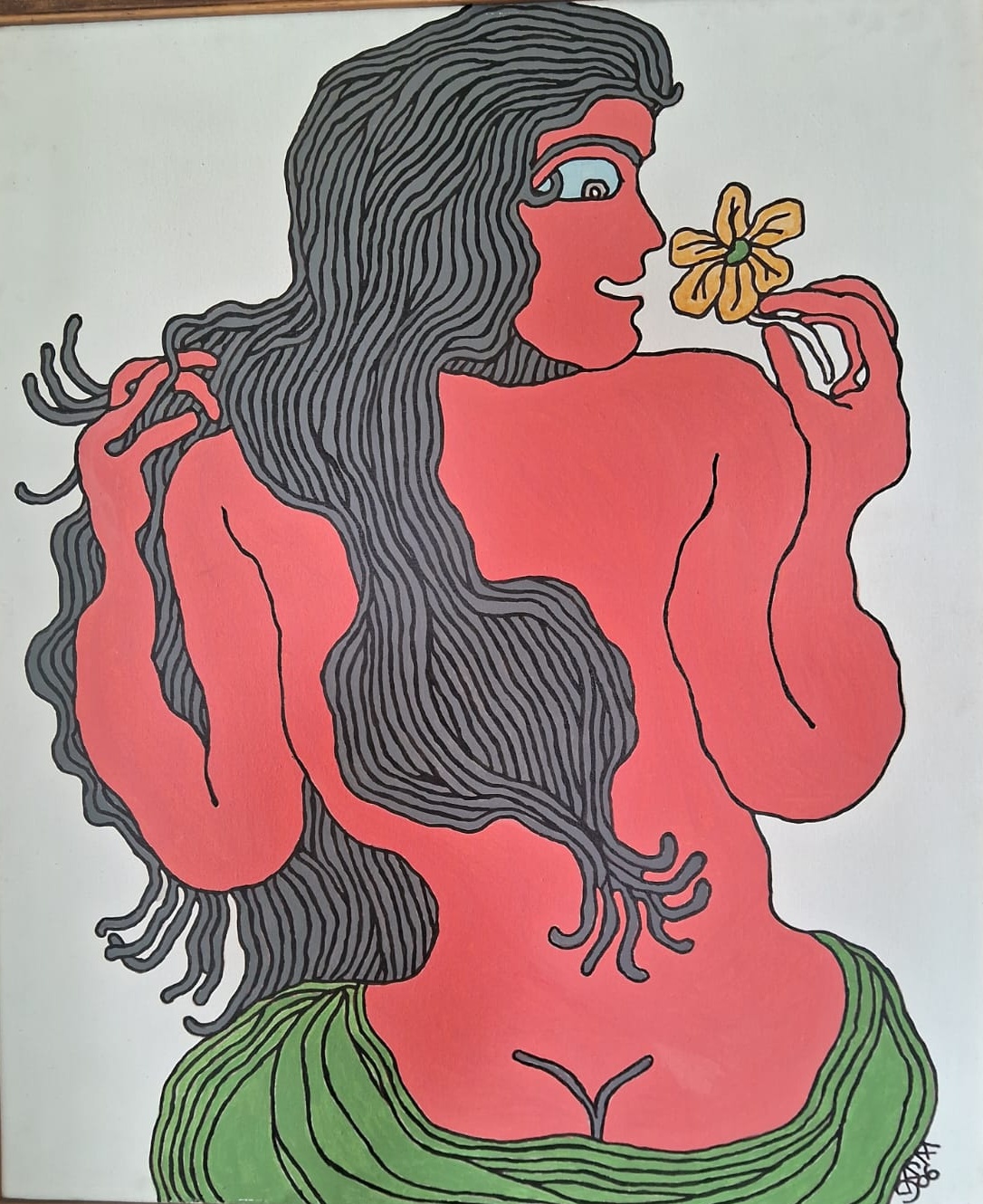
About PROKASH KARMAKAR
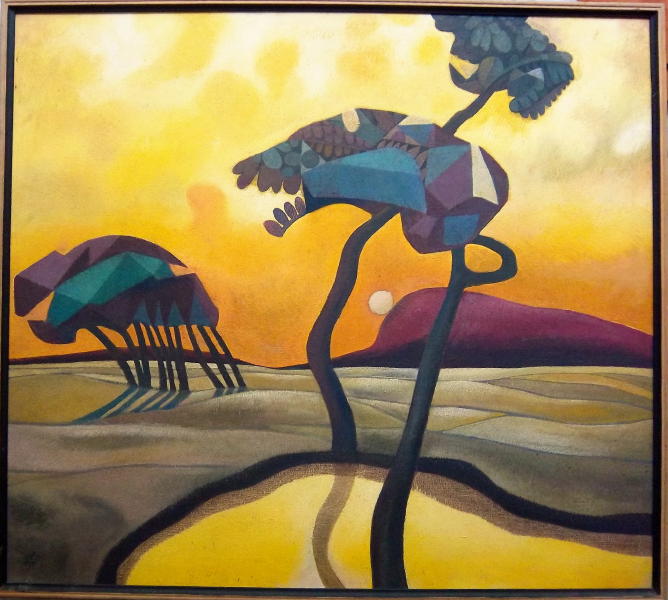
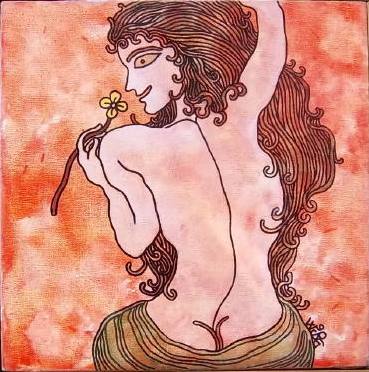
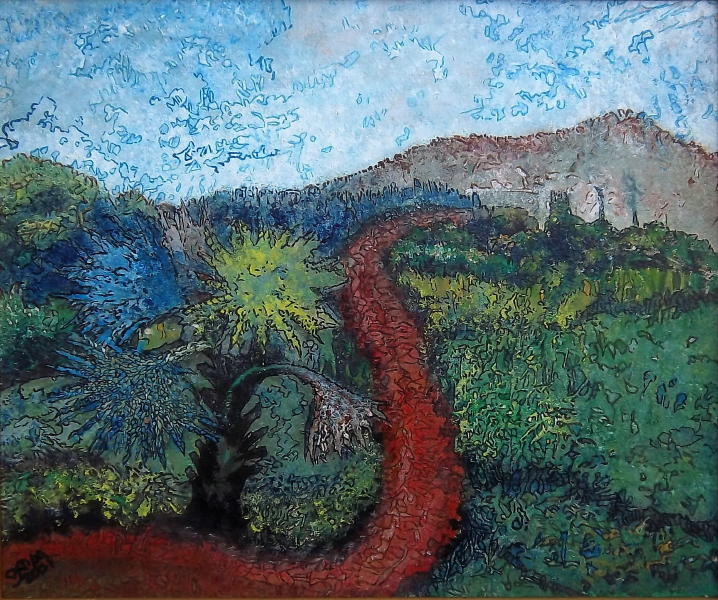
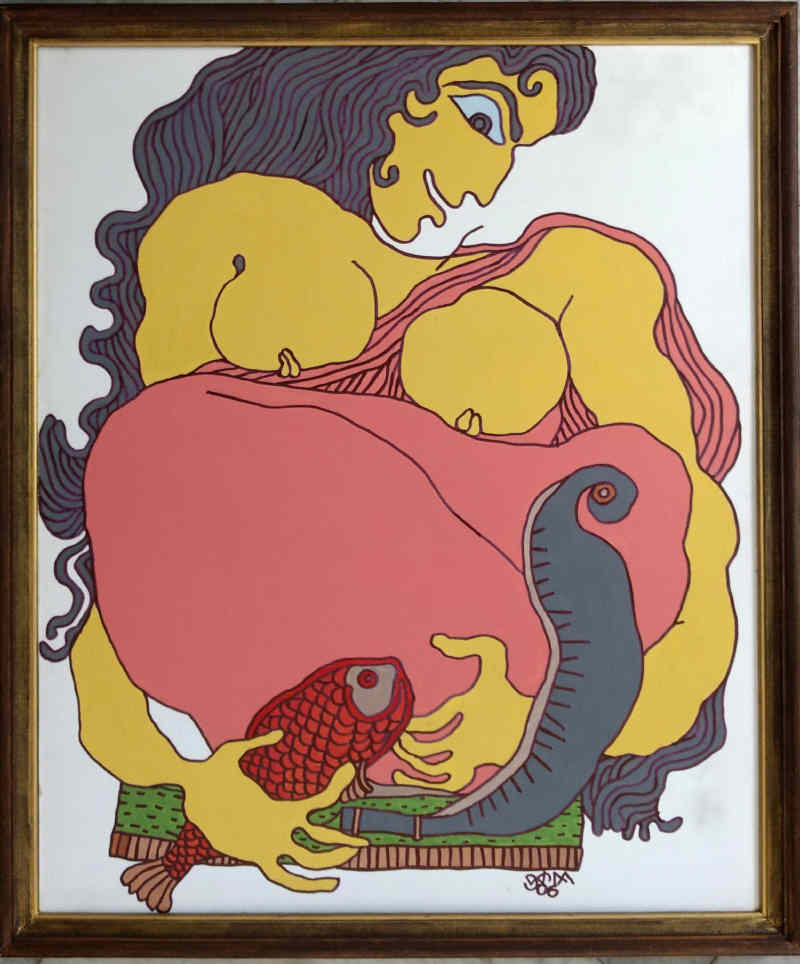
Born in 1933, Prokash Karmakar emerged from an artistic milieu to develop a distinctive figurative language shaped by the influence of Picasso and the classic Impressionists. His works alternate between calm, poetic exuberance and reflections of modern turmoil. Whether women, landscapes, or seascapes, his forms are full-bodied and sensuous, imbued with an ethereal lyricism that celebrates the rural beauty of Bengal. Karmakar's style represents a rare fusion of Eastern and Western aesthetics, while retaining a deeply personal, unmistakable identity. His landscapes, in particular, invite sensory immersion—dense tropical forests, rolling hills, and expansive valleys rendered in rich diversity. Beginning his career with street exhibitions that brought early recognition, he went on to found the Society of Contemporary Artists in 1961. A Fellowship took him to France in 1969-70, followed by major honours including the Rabindra Bharati University Award (1970), the Birla Academy Award (1976), and the Abanindra Puraskar (2000). Widely acclaimed during his lifetime, Karmakar's works continue to be highly sought after by Indian and international collectors. He passed away in 2014.